What Is Refractive Lens Exchange?
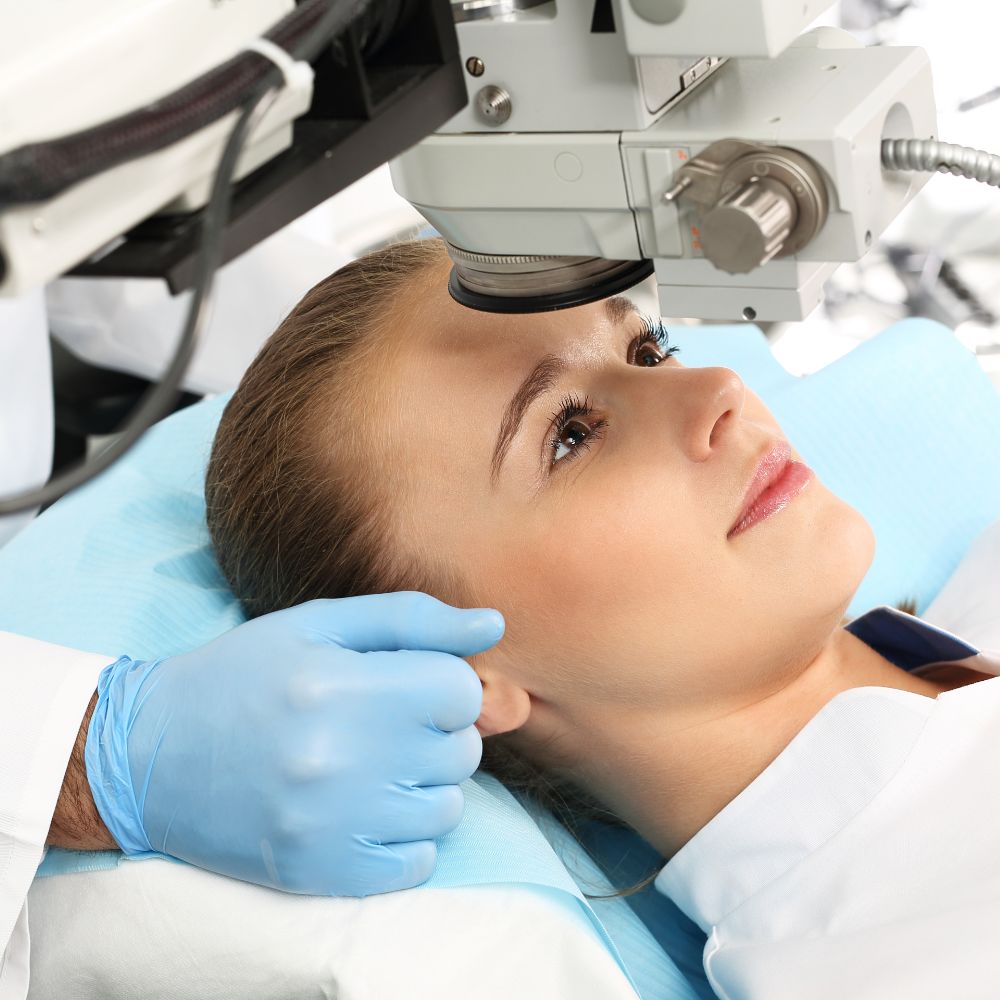
Refractive Lens Exchange (RLE), also known as Clear Lens Extraction, is a vision‑correcting procedure that replaces your eye’s natural lens with a customized intraocular lens (IOL). It’s an excellent option for people who:
- Are not ideal candidates for LASIK or PRK
- Have farsightedness, nearsightedness, or astigmatism
- Are experiencing presbyopia (age‑related difficulty with near vision)
By replacing the natural lens, RLE corrects refractive errors and prevents cataracts from forming later in life.
why choose RLE?
Advanced Technology IOLS
Today’s lens implants are designed to maximize clarity, comfort, and range of vision. Our doctors offer a full suite of advanced technology lenses, including options for:
- Enhanced near and intermediate vision
- Astigmatism correction
- Extended depth-of-focus
- Multifocal capabilities
RLE vs. LASIK & PRK
While LASIK and PRK reshape the cornea, RLE works by replacing the lens inside the eye. This makes RLE ideal for higher levels of farsightedness, patients over 40 experiencing presbyopia, and individuals wanting a long-term solution that eliminates future cataract surgery. RLE also offers a more predictable outcome for certain prescriptions and age groups.
what happens during rle surgery?
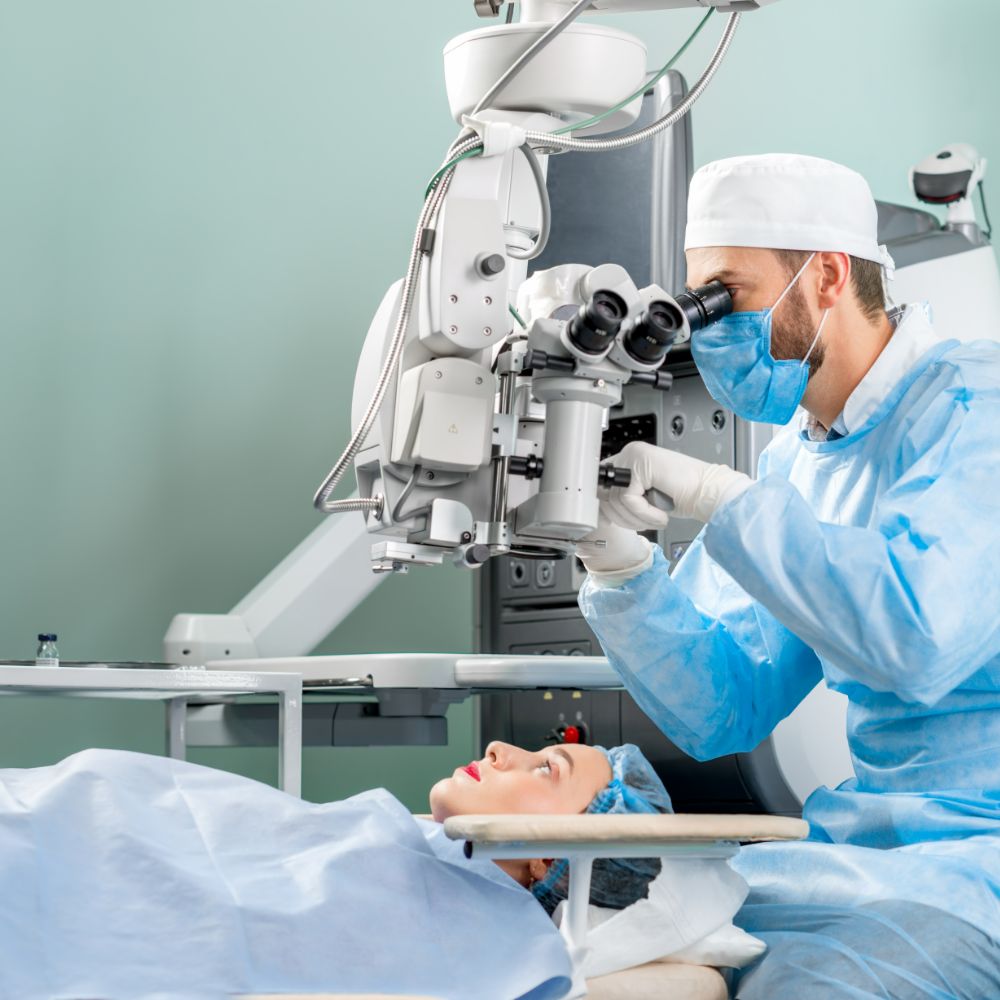
RLE is nearly identical to modern cataract surgery- one of the safest and most commonly performs procedures worldwide. Want a clearer picture of what happens during Refractive Lens Exchange? This video provides a concise, surgeon‑led explanation of the procedure, the technology behind it, and what you can expect during treatment.
Recovering After RLE Surgery
Most patients notice clearer vision quickly after their Refractive Lens Exchange procedure, with some experiencing improvement the very next day. You’ll return for a follow‑up appointment to ensure the eye is healing properly, and it’s normal for vision to continue sharpening over the next several days. While the eye heals, you’ll be asked to avoid heavy lifting and bending for several days, and most everyday activities can be resumed within the first week. Although you’ll feel comfortable early on, the eye continues to stabilize over the next few months, so your surgeon may recommend limiting strenuous activity during the first month to support the best possible outcome.