Glaucoma is the second leading cause of blindness and is often referred to as the “silent thief of sight” because it can slowly damage vision without noticeable symptoms in the early stages. The condition develops when fluid pressure inside the eye becomes too high. This elevated pressure—known as intraocular pressure—can harm the optic nerve, which is responsible for sending visual information to the brain. If this damage continues, glaucoma can lead to progressive vision loss. Without proper treatment, it can result in permanent blindness over time.
Because glaucoma often develops without early symptoms or discomfort, regular eye exams are essential. These routine visits allow your doctor to detect elevated eye pressure early and begin treatment before any long‑term vision loss occurs.
What is Glaucoma?
Glaucoma is an eye disease in which damage to the optic nerve leads to gradual loss of peripheral vision. While many cases are associated with elevated intraocular pressure (IOP), glaucoma can still develop even when eye pressure is within the normal range. Most types of glaucoma are initially treated with prescription eye drops designed to lower pressure inside the eye, though some patients may require laser or surgical treatment. Without proper management, glaucoma can progress and lead to permanent vision loss.
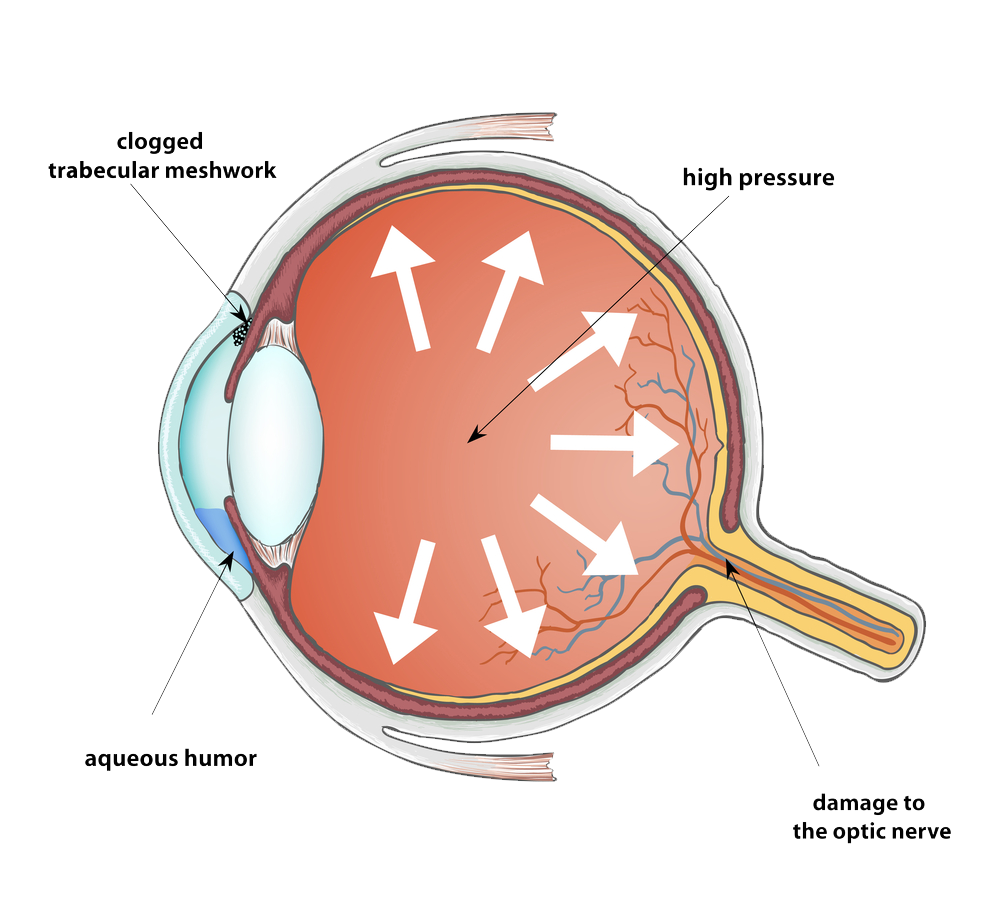
Why is Glaucoma a Threat to Your Sight?
Glaucoma is one of the leading causes of blindness among adults, particularly those between the ages of 18 and 65. Because the disease typically progresses without noticeable changes in vision, many people are unaware they have it until significant damage has already occurred. While more than 2.25 million Americans over age 40 are affected by Primary Open‑Angle Glaucoma, national studies suggest that an additional 3 to 6 million people have elevated intraocular pressure (IOP) without clear signs of optic nerve damage.
What makes glaucoma especially dangerous is its silent progression. Unlike many eye conditions that cause discomfort or obvious visual disturbances, glaucoma often develops without pain or early symptoms. This allows damage to the optic nerve to occur gradually and unnoticed. Without timely diagnosis and treatment, the disease can lead to irreversible vision loss, making glaucoma a major cause of permanent blindness in the United States.
Recent national research estimates that more than 4 million Americans are currently living with glaucoma, and many do not realize it until vision loss has already begun. Because early detection is the most effective way to protect long‑term sight, routine comprehensive eye exams are essential. Identifying glaucoma in its earliest stages allows for prompt treatment and significantly reduces the risk of permanent vision loss.
Our mission is to help individuals understand their personal risk for glaucoma and to ensure the disease is detected as early as possible. Because vision loss from glaucoma is irreversible—and often occurs without noticeable symptoms—early awareness and routine eye exams are essential for protecting long‑term sight.
One way we support early detection is through periodic glaucoma screenings offered in our office. During these visits, we review each patient’s individual risk factors, measure intraocular pressure, and have one of our glaucoma specialists examine the optic nerve. These screenings also provide an opportunity for patients to discuss their personal risk profile directly with the doctor. For individuals who are unable to attend a screening, we can still perform a comprehensive risk‑factor assessment to help determine their level of risk.

Risk Factor Analysis
If you have more than two of these risk factors, or any of the risk factors with an asterisk, consider yourself at moderate or high risk for glaucoma.
We suggest everyone have a periodic eye examination, but those at risk should seek an examination soon (within the next few months).
Types of Glaucoma
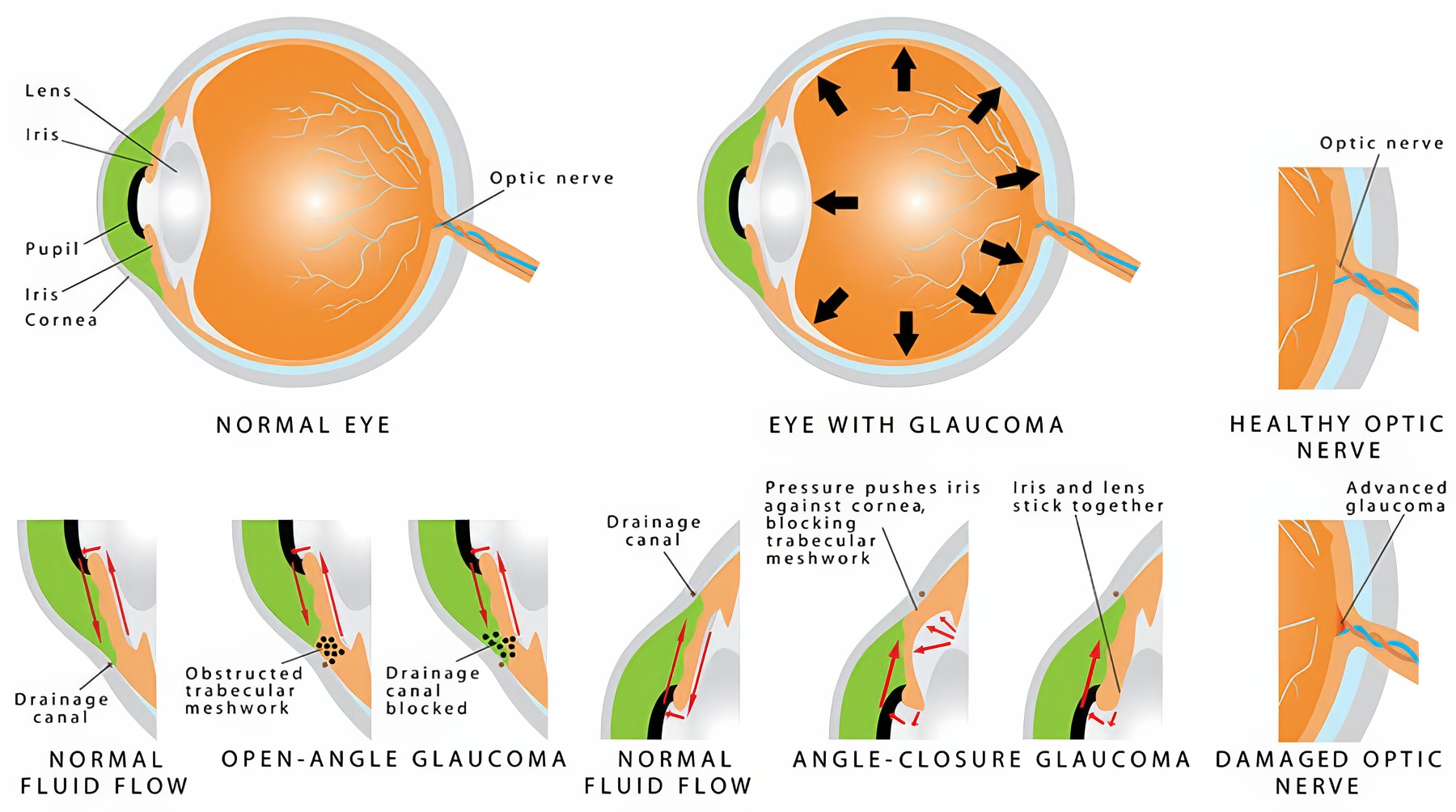
Glaucoma is a group of diseases that can damage the eye’s optic nerve and result in vision loss and blindness. Early treatment is important to prevent serious vision loss. There are 5 types of glaucoma:
- Open-Angle Glaucoma
- Closed-Angle Glaucoma
- Congenital Glaucoma
- Secondary Glaucoma
- Low-Tension or Normal-Tension glaucoma
Primary Open‑Angle Glaucoma is the most common form of glaucoma and develops very gradually over time. In this condition, the drainage system of the eye becomes less efficient, causing fluid to build up and increase pressure inside the eye. This elevated pressure can slowly damage the optic nerve—the part of the eye responsible for sending visual information to the brain.
Because open‑angle glaucoma progresses silently and without pain, most people do not notice any changes in their vision until the disease is more advanced. Early damage typically affects peripheral (side) vision first, which can be difficult to detect without a comprehensive eye exam.
Regular eye exams are essential for identifying open‑angle glaucoma in its earliest stages, when treatment is most effective. With timely diagnosis and proper management—often through pressure‑lowering eye drops, laser therapy, or other treatments—many patients can preserve their vision and prevent further loss.
Closed‑Angle Glaucoma, also called Angle‑Closure Glaucoma, occurs when the drainage angle of the eye becomes suddenly blocked. This prevents fluid from leaving the eye properly, causing eye pressure to rise quickly. Because this blockage happens abruptly, it can create a rapid and dangerous spike in pressure that requires immediate medical attention.
Unlike open‑angle glaucoma, which progresses slowly and without symptoms, closed‑angle glaucoma often causes sudden discomfort. Patients may experience eye pain, blurred vision, halos around lights, headache, nausea, or redness in the eye. These symptoms can come on quickly and should be treated as an emergency, as vision loss can occur within hours if pressure remains high.
With prompt treatment—often involving medications, laser procedures, or surgery—eye pressure can be reduced and long‑term damage can be prevented. People who are at higher risk, such as those with narrow drainage angles, may benefit from preventive laser treatment to reduce the chance of an acute attack. Regular eye exams are essential for identifying these risk factors before symptoms develop.
Congenital Glaucoma is a rare form of glaucoma that is present at birth or develops within the first few years of life. It occurs when the eye’s drainage system does not form properly, preventing fluid from flowing out normally. This leads to increased pressure inside the eye, which can damage the developing optic nerve.
Because infants and young children cannot describe vision changes, congenital glaucoma is usually identified through visible signs. These may include enlarged or cloudy eyes, excessive tearing, sensitivity to light, or frequent eye rubbing. Early diagnosis is critical, as untreated pressure can quickly lead to permanent vision loss.
Treatment for congenital glaucoma typically involves surgery to correct the drainage problem and lower eye pressure. With prompt intervention and ongoing monitoring, many children can maintain useful vision and prevent further damage. Regular follow‑up with a pediatric eye specialist is essential to support healthy visual development.
Secondary Glaucoma is a form of glaucoma that develops as a result of another eye condition, injury, or underlying health issue. Instead of arising on its own, it occurs when something else—such as inflammation, trauma, advanced cataracts, diabetes, or certain medications—disrupts the eye’s normal fluid drainage and causes pressure to rise. Over time, this elevated pressure can damage the optic nerve and lead to vision loss.
Symptoms of secondary glaucoma can vary depending on the cause. Some people may notice redness, pain, blurred vision, or sensitivity to light, while others may have no symptoms at all in the early stages. Because the condition is linked to another problem in the eye, identifying and treating the underlying cause is an important part of managing the disease.
Treatment for secondary glaucoma focuses on lowering eye pressure and addressing the condition that triggered it. This may include prescription eye drops, oral medications, laser procedures, or surgery. With timely diagnosis and proper management, many patients can protect their vision and prevent further optic nerve damage. Regular eye exams are essential, especially for individuals with known risk factors or a history of eye disease.
Normal‑Tension Glaucoma is a form of glaucoma in which optic nerve damage occurs even though eye pressure remains within the “normal” range. While most types of glaucoma are linked to elevated intraocular pressure (IOP), this condition shows that some optic nerves are more vulnerable and can be damaged by pressures that would not affect others.
Because eye pressure is not elevated, normal‑tension glaucoma can be more challenging to detect without a comprehensive eye exam. Patients typically do not experience pain or early symptoms, and vision loss often begins in the peripheral (side) vision. Certain factors—such as poor blood flow to the optic nerve, a history of migraines, low blood pressure, or vascular conditions—may increase the risk of developing this type of glaucoma.
Treatment focuses on protecting the optic nerve by lowering eye pressure even further, often through prescription eye drops, laser therapy, or other interventions. Regular monitoring is essential, as early diagnosis and ongoing management can significantly slow progression and help preserve long‑term vision.